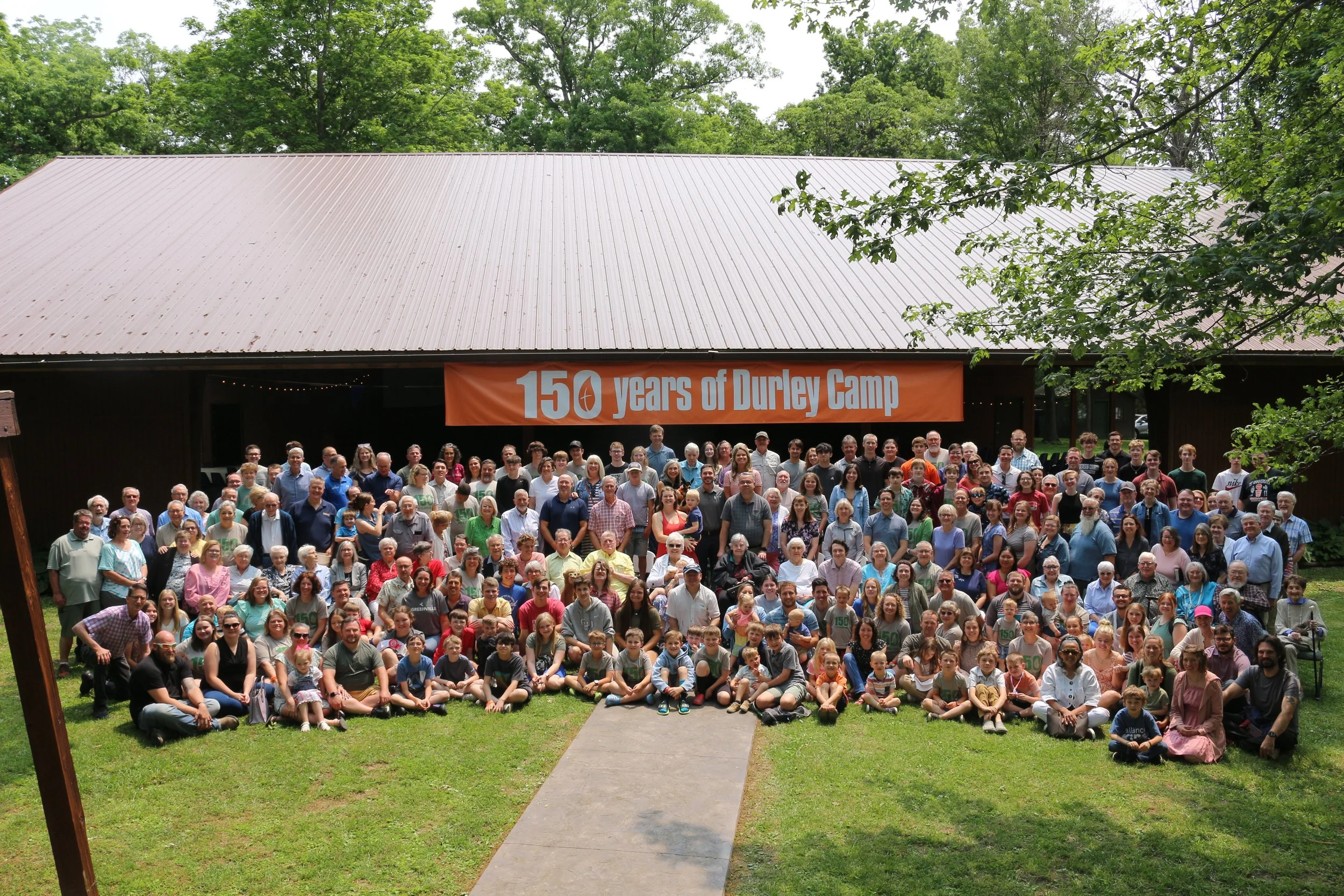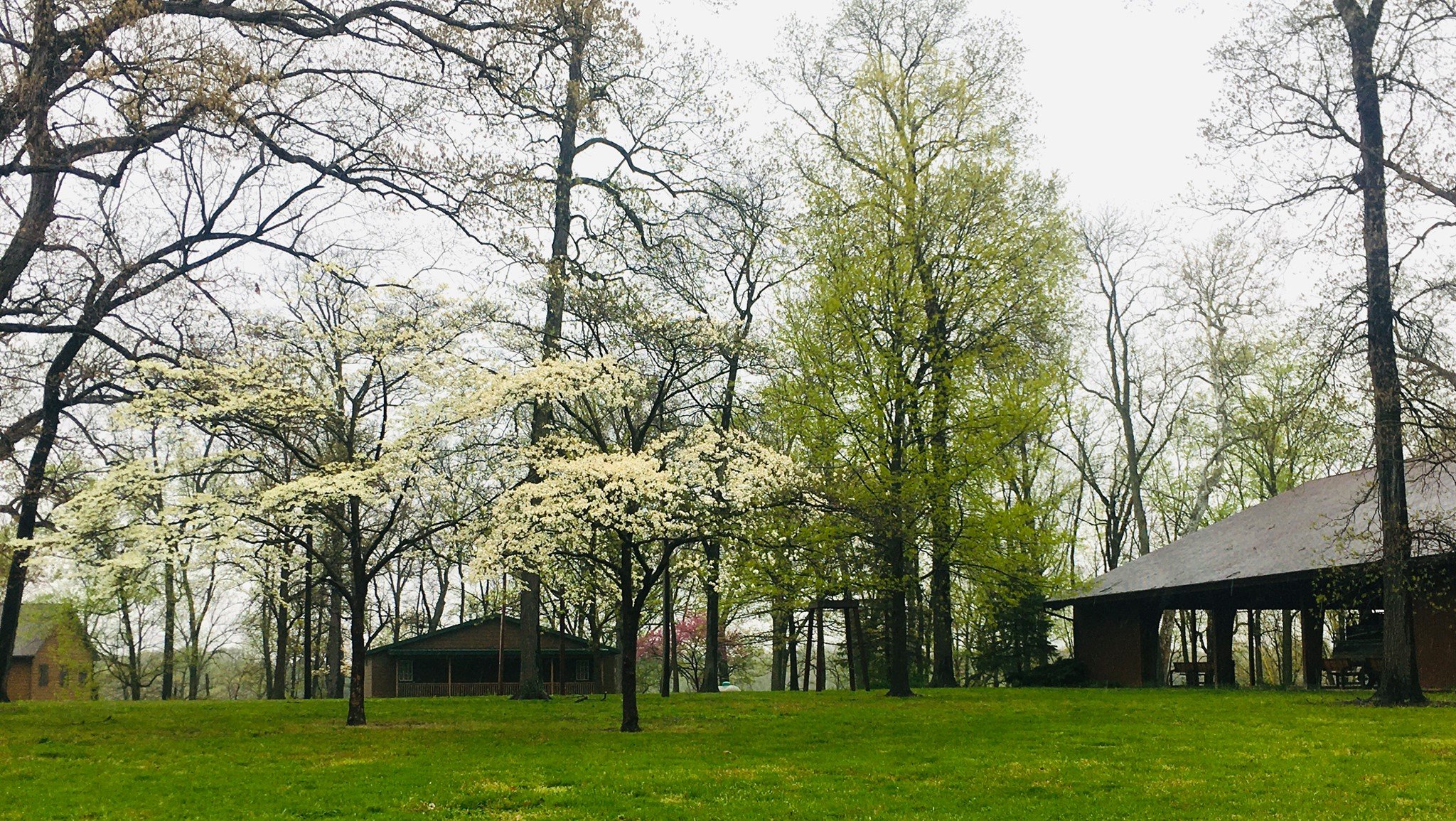

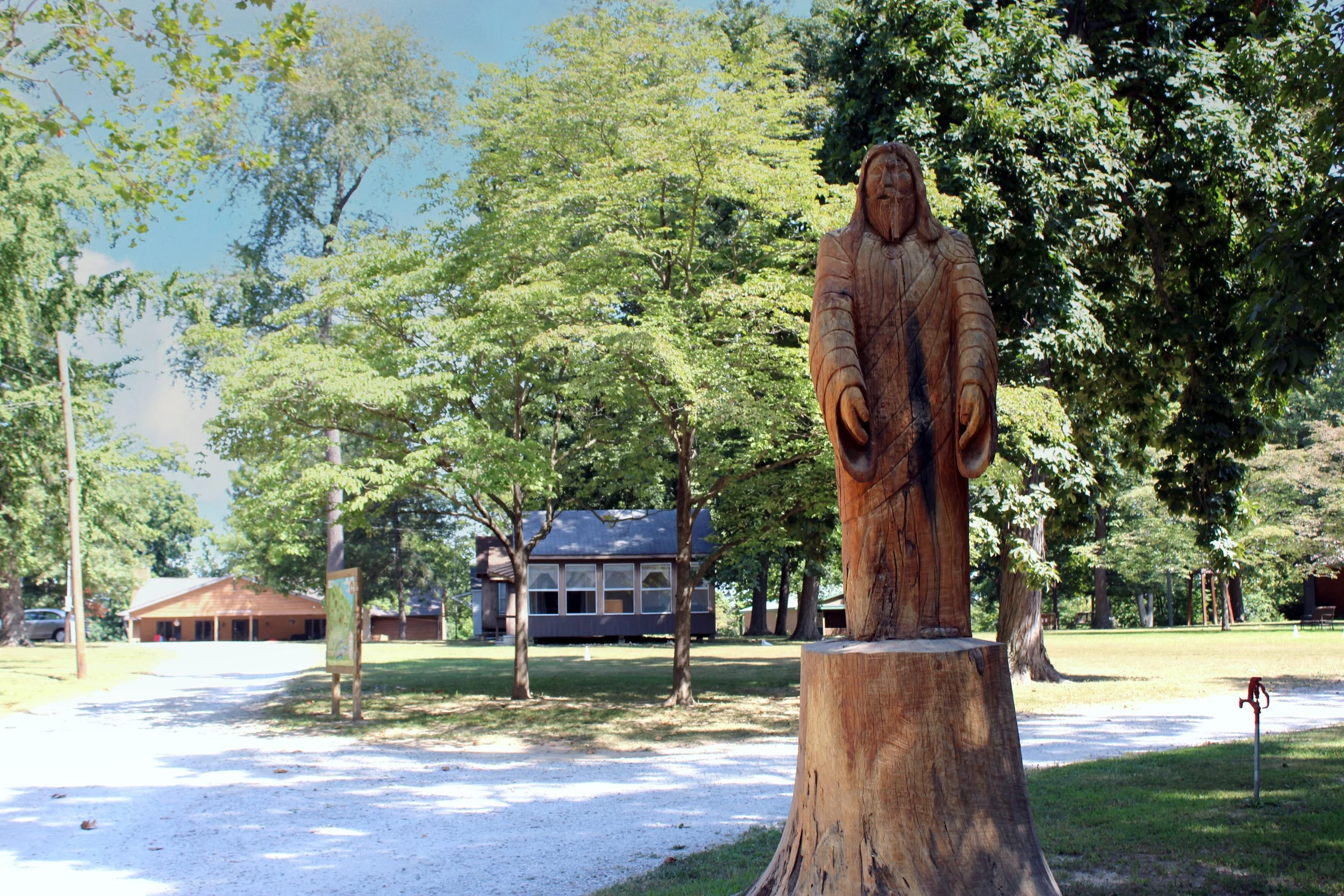
Durley Camp and Retreat Center is a place where people of all ages can take a break from the fast-paced and busy nature of modern life. Our youth and family camps, men's and women's retreats, and other events throughout the year provide opportunities to support and nurture the spiritual, physical, mental, and social well-being of children, teens, and adults.
1875
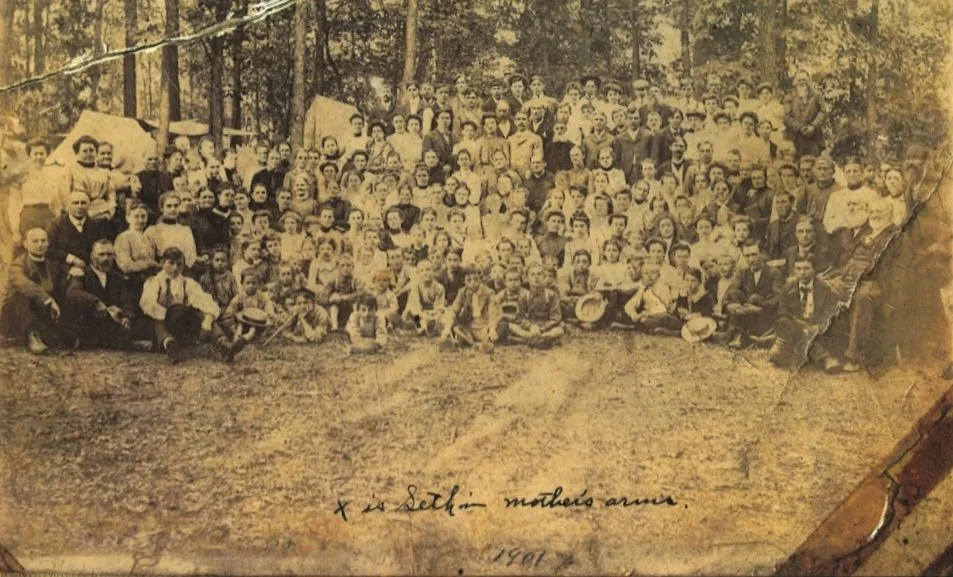
Christian holiness camp meetings begin on the current site of Durley Camp. Worshippers numbering 3,000-5,000 in these early years come to camp in horse-drawn buggies and by train, with the railroad giving a special rate to Durley attendees. There are no permanent structures on the grounds, so it is tent camping only.

1879
The Bond County Laymen’s Association is organized and officers are elected. The association votes to begin raising funds to build a tabernacle.

1893
The camp becomes a Free Methodist entity with the incorporation of the Greenville District Free Methodist Camp Meeting Association.

1895
James H. Moss deeds 15 acres to the camp for $2.

1905
Construction is completed on the first tabernacle. Due to donations of materials and labor, the entire debt of $207 is retired with offerings received at the dedication service.
1925

Ownership of the camp is transferred to the Free Methodist Central Illinois Conference, today known as the Gateway Conference.
1950s
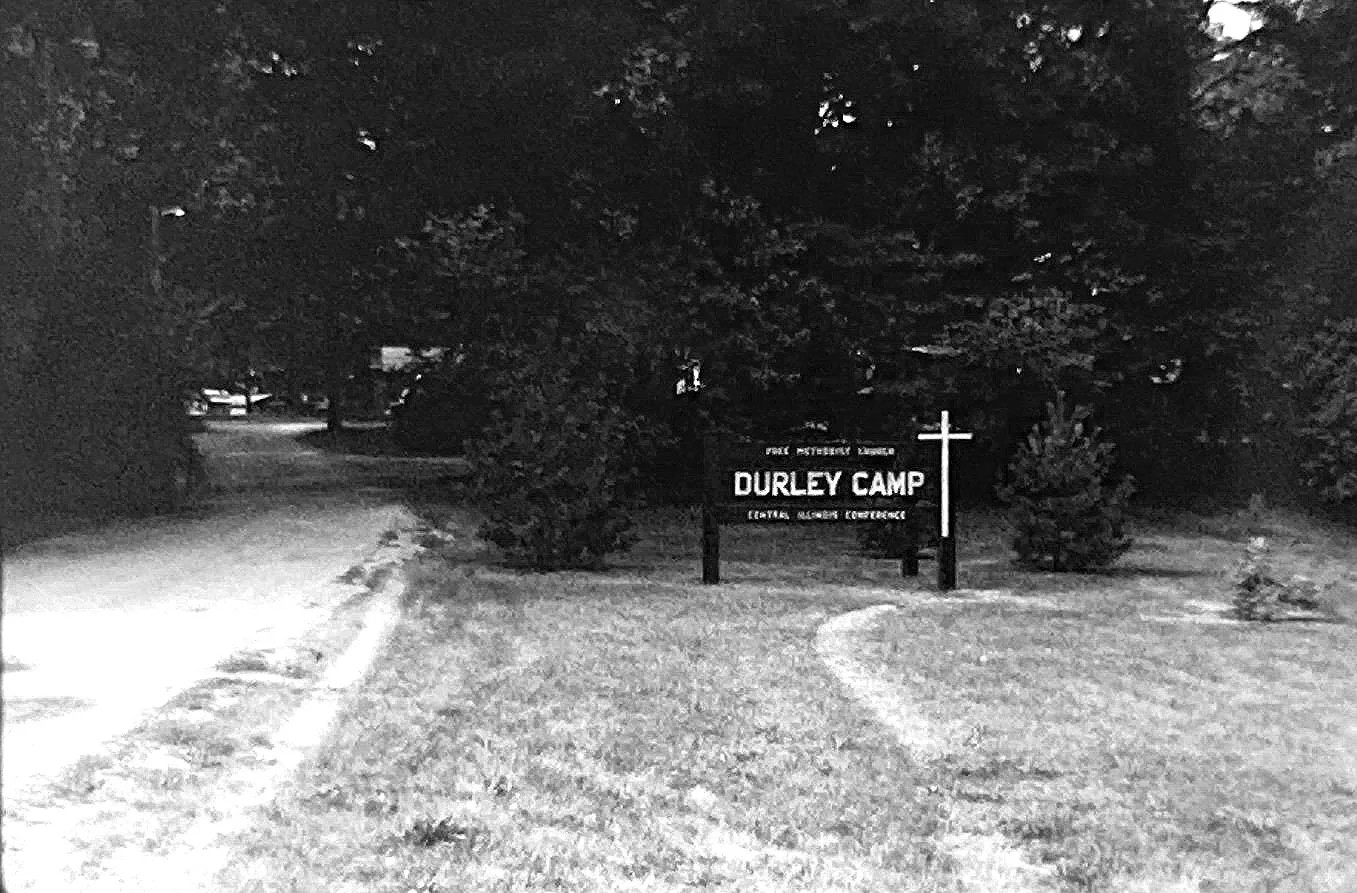
A dining hall, dormitories and youth chapel are built to accommodate youth camps and family camps.
1968


The 775-acre Governor Bond Lake is built by the city of Greenville, turning Durley into prime lakeside property. That same year, the conference votes to consolidate all youth camps at Durley. The camp’s waterfront and water-related activities are key attractions for campers of all ages.


1975
The first ten youth cabins are built. They are rustic one-room units with eight beds and no indoor plumbing. More cabins of the same design are added over the next two decades. Today there are 15 still in use.
1992
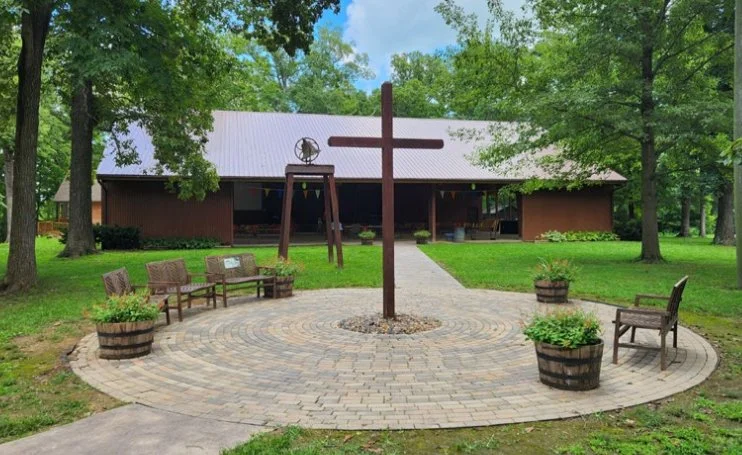

The 1901 tabernacle is removed and replaced with a new tabernacle on the same site.

1997
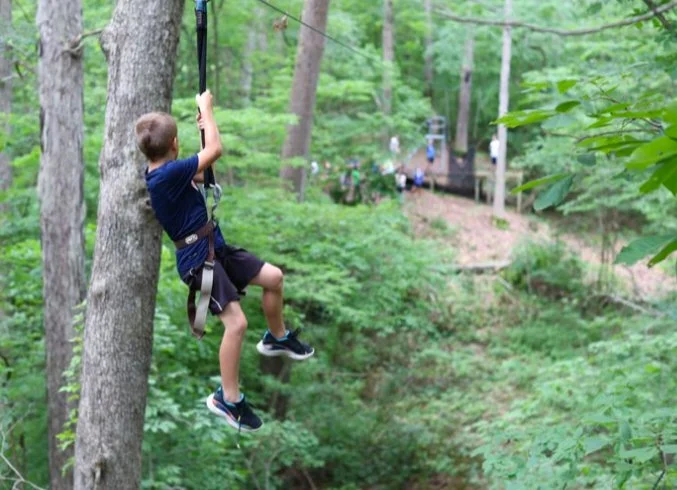
A period of intense development begins on the grounds as several new facilities are constructed over the next decade. Improvements include a new caretakers’ residence, ministry lodge, shower house, septic system, teams challenge trail and zip line in the woods, and dock at the waterfront. Much of the labor for these projects is donated by the free methodist organization Craftsmen for Christ.
2004
The old dining hall and dormitory is demolished and replaced with Young Lodge, funded in part by an estate gift from Fern Young. The building includes a commercial kitchen, 250-capacity dining hall, elevator, activities rooms, offices, and restrooms. Contrary to its name, however, Young Lodge does not include overnight lodging.

2022
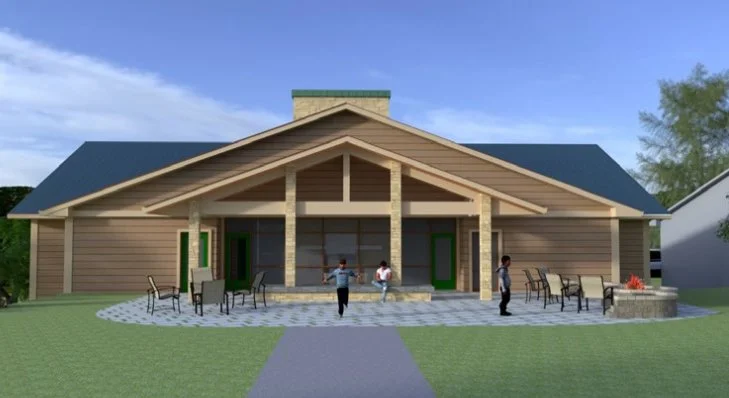
The board announces a 3-year campaign to build a new 64-bed youth lodge to address the critical need for more hotel-style lodging. The $2.5 million comprehensive campaign is named the 150th Anniversary Campaign for Durley, with a target starting date for the lodge in 2025, the 150th anniversary of Christian camping on these grounds.
2025
Durley Camp celebrates 150 years of Christian camping on the grounds. The camps commemorate the rich history of the campground, while preparing the next generation for the next 150 years of spreading the Gospel to youth, family and more in a beautiful nature setting.